Design That Gets Out of the Way — Clearwater Wellness Co. by ANODA
On the discipline of building complexity that feels effortless — and why function is the only honest foundation for beauty.
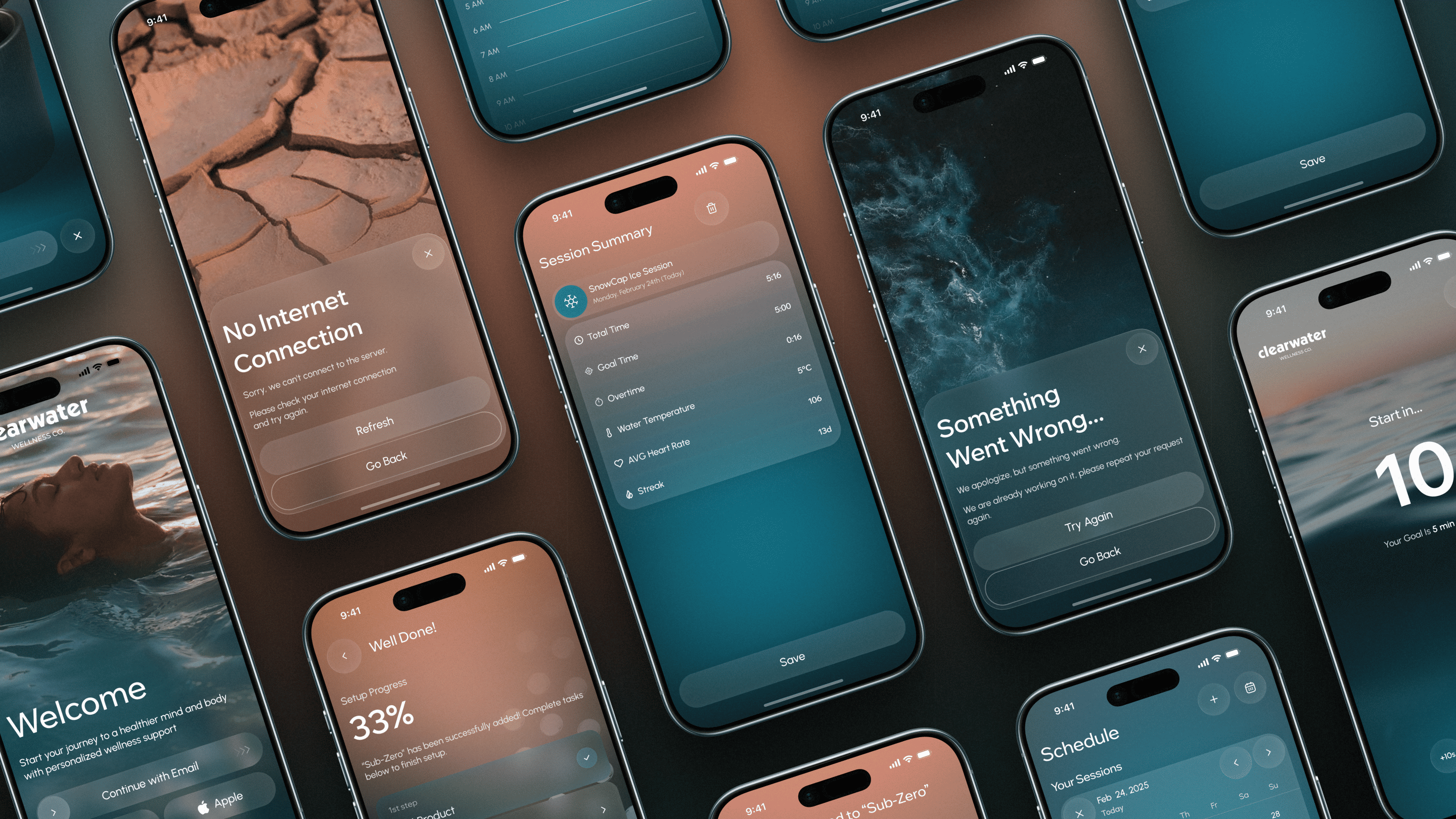
Among this year's entries in Digital Product Design — Mobile & Desktop Apps, Clearwater Wellness Co. stood apart not for spectacle, but for exactness. The i.design jury recognised a product that solved a genuinely hard UX problem with the kind of clarity that makes difficulty invisible. Behind it: ANODA, a studio whose entire identity is built on bridging the distance between a beautiful design and a buildable one.
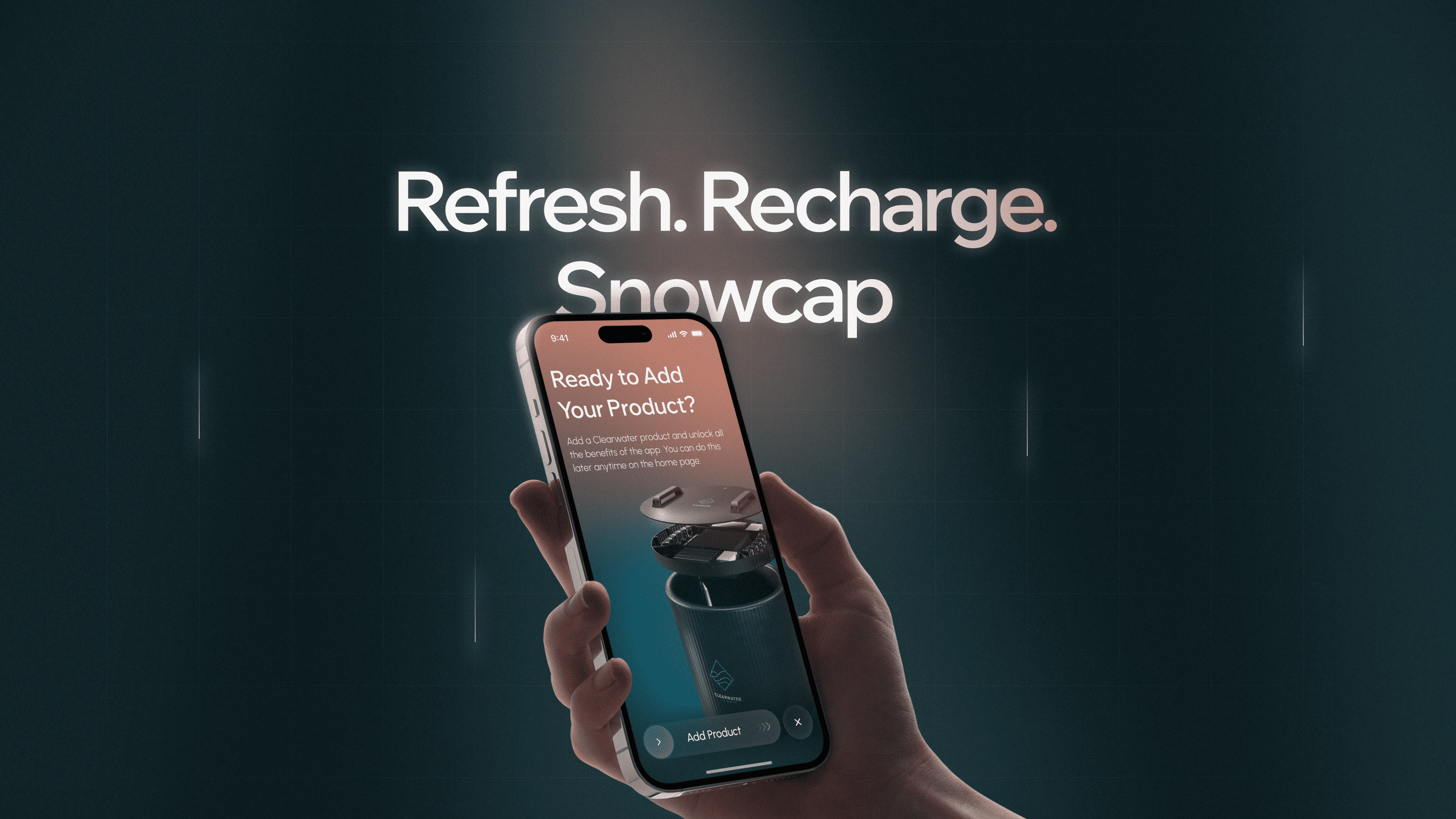
Some studios chase the perfect gradient. ANODA chases something harder: the perfect handoff. Founded on a healthy obsession with making design actually developable, the Kyiv-based agency translates massive, intimidating requirement scopes into implementations that engineering teams don't dread. The work that wins awards is the same work that ships without a crisis.
It is, by their own description, a bridging act — positioning themselves squarely in the gap between pixel-perfect ambition and the practical realities of build. That gap, in most agencies, is where beautiful things go to become disappointing products. For ANODA, it is their entire professional territory.
"A design should be a joy to use before it's a joy to look at — functionality is the ultimate foundation."
Philosophy
Quiet luxury as a UX principle
The phrase that captures ANODA's design sensibility is one they coined themselves: modern quiet luxury. As they apply it, it has nothing to do with premium aesthetics as a veneer — it is a description of behavioral intent. An interface that doesn't scream for attention, but gently takes the user by the hand. Elegant, but fundamentally in service of the person using it.
The philosophy has a clear internal hierarchy. Usability first, always. Aesthetics after, and only in support of that foundation. When they talk about SaaS platforms specifically, this priority becomes even sharper: "If a design isn't functional, it only inspires one emotion — pure, unadulterated pain."
The project
The Clearwater challenge
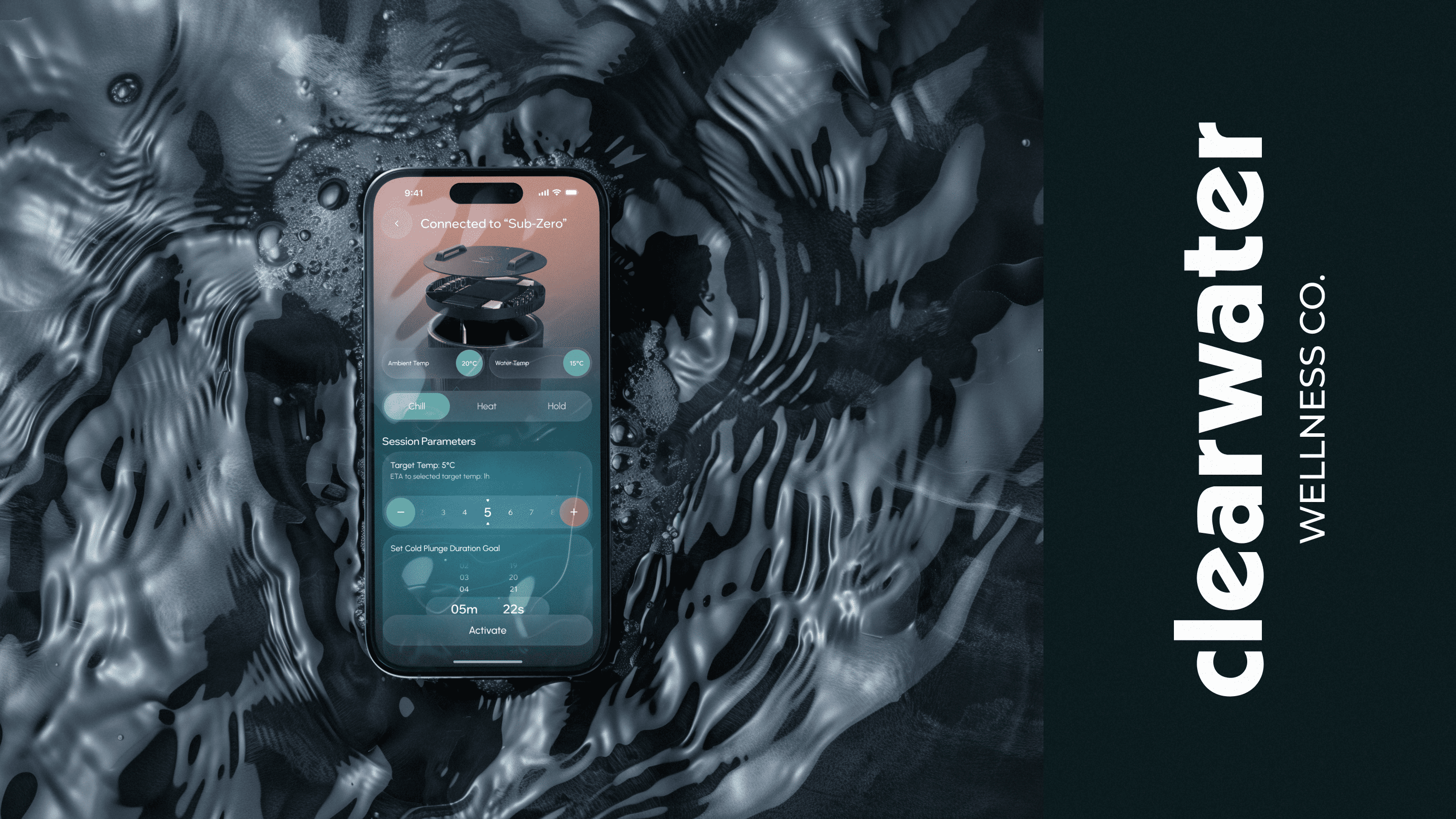
The winning project presented ANODA with a challenge that sits at the centre of everything they do: making something technically dense feel instinctive. A smart plunge platform connecting physical hardware with a structured digital experience — mode control, session analytics, group sharing — all designed to perform reliably under physical duress. The brief demanded a UX so coherent that the interface would disappear, leaving only the experience.
"Our biggest mountain to climb was mapping out a user journey so intuitive that it felt like second nature," they reflect. The resolution came through subtraction. Stripping away the unnecessary until only the essential remained, creating a flow that feels more like an instinct than an interface.
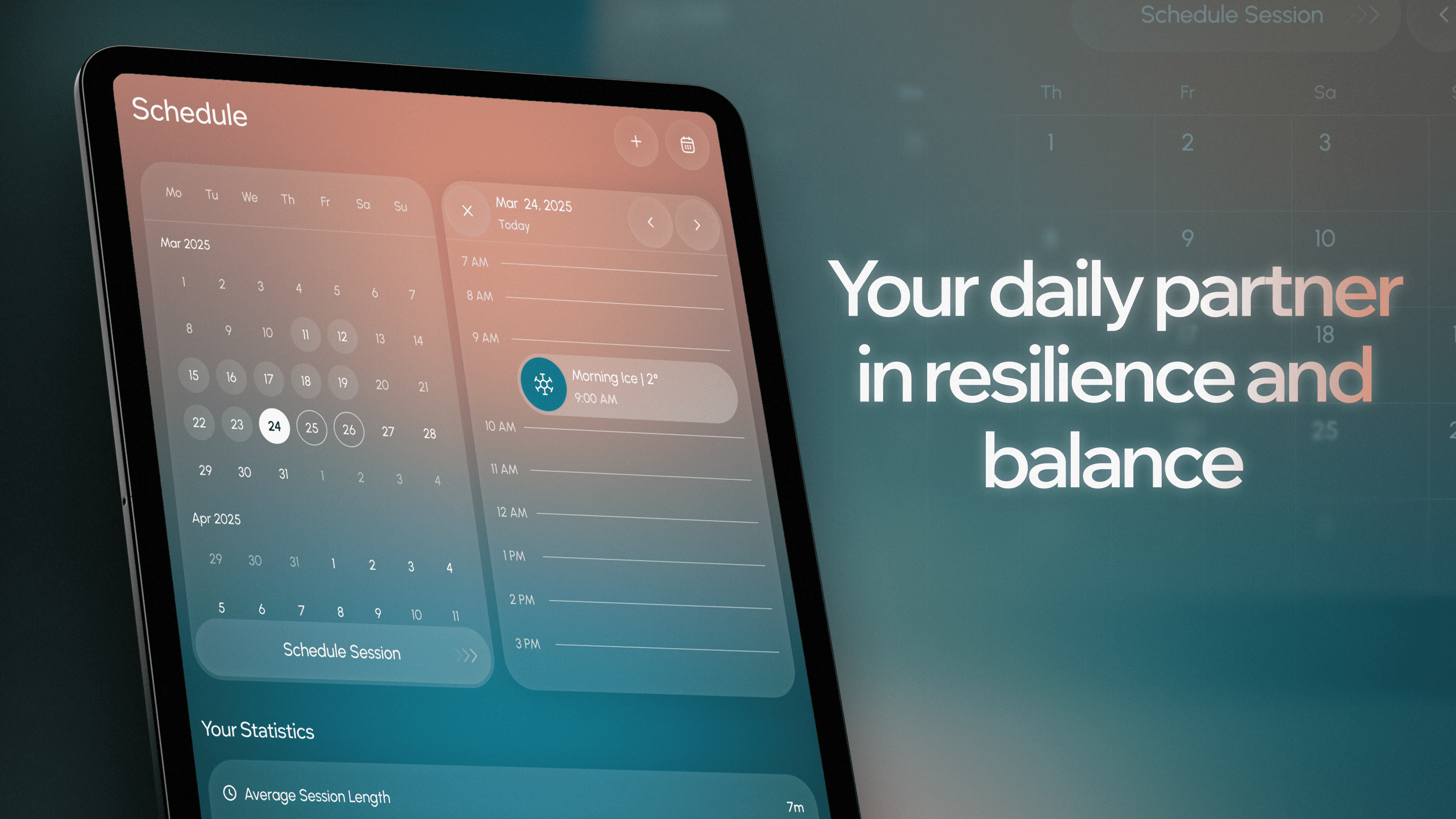
"We obsessed over fluid micro-interactions and a 'breathing' layout to ensure the interface feels more like a calm morning breeze than a loud digital tool. In a world of frantic notifications, silence and ease are the ultimate luxuries."
Validation
The unanimous internal filter
How does a studio of self-described "incredibly picky aesthetes" know when a project has genuinely landed? The answer ANODA returns to is telling: unanimity. When every person on the team independently says they would put this app on their own phone — not because they built it, but because they want it — that is the signal. "That collective 'I want this on my phone' was the most honest metric of success we could ever ask for."
"We spent countless hours obsessing over every tap and swipe to ensure there was zero friction between a user's intent and the final action."
What's next
Designing for a lighter internet
ANODA's next frontier extends the logic of good design into an unexpected domain: environmental responsibility. The studio has gone deep into what they call Sustainable UX — putting digital products on a digital diet, optimizing every kilobyte to reduce server energy demands. The argument is both ethical and practical: a leaner product is a faster product. For the design community, they want to prove that sustainable practices and high-end aesthetics are complementary — and that both should be baseline expectations for responsible, forward-thinking digital products.
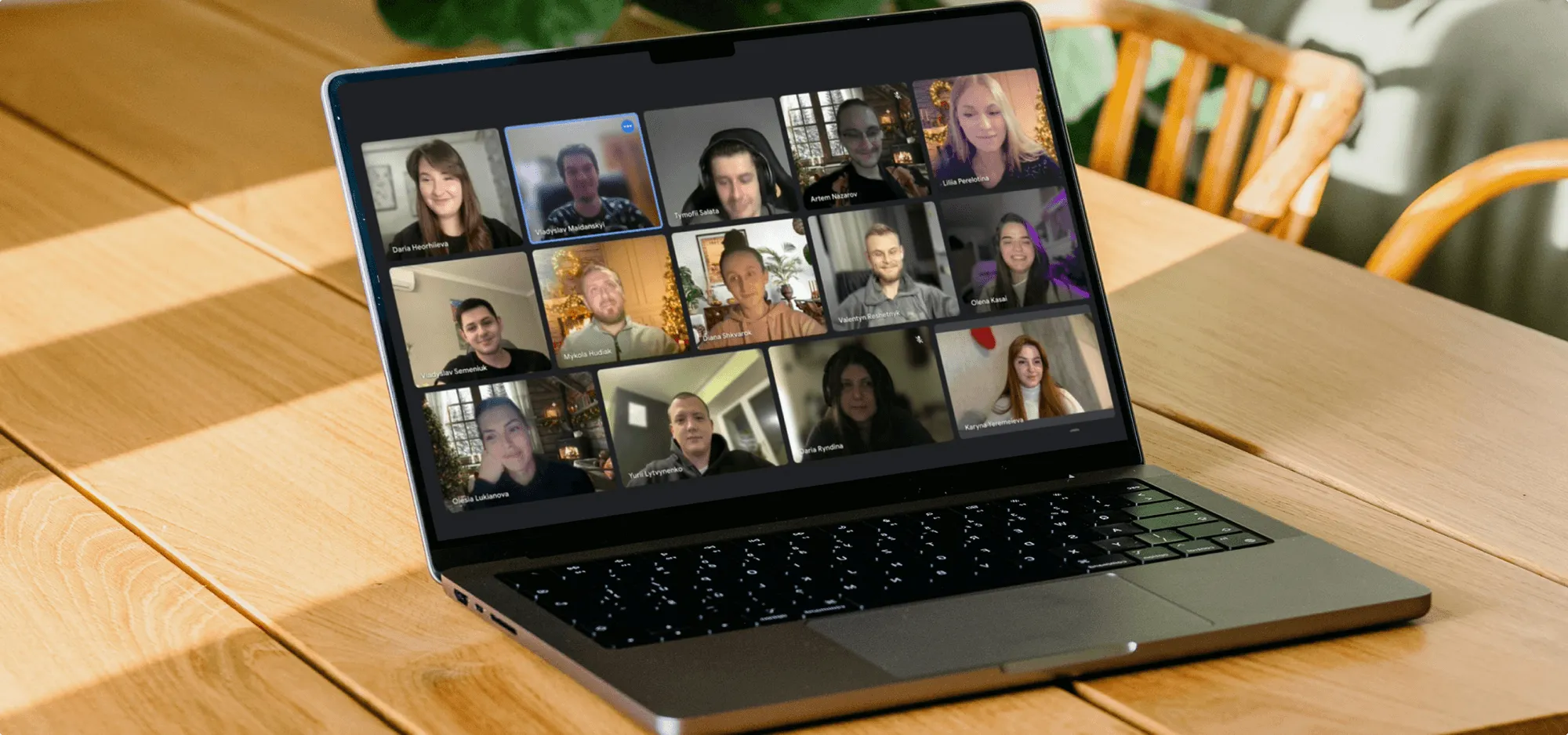
ANODA is a UX/UI design agency headquartered in Kyiv, Ukraine, with offices in Vilnius and Warsaw. Their work spans complex SaaS platforms, wellness technology, and enterprise digital products.
i.design Award Winner 2025, Digital Product Design, Mobile & Desktop Apps